
How to Decorate With Antiques in a Modern Home (Designer’s Guide 2025)
October 20, 2025
How to Decorate With Antiques in a Modern Home (Designer’s Guide 2025)
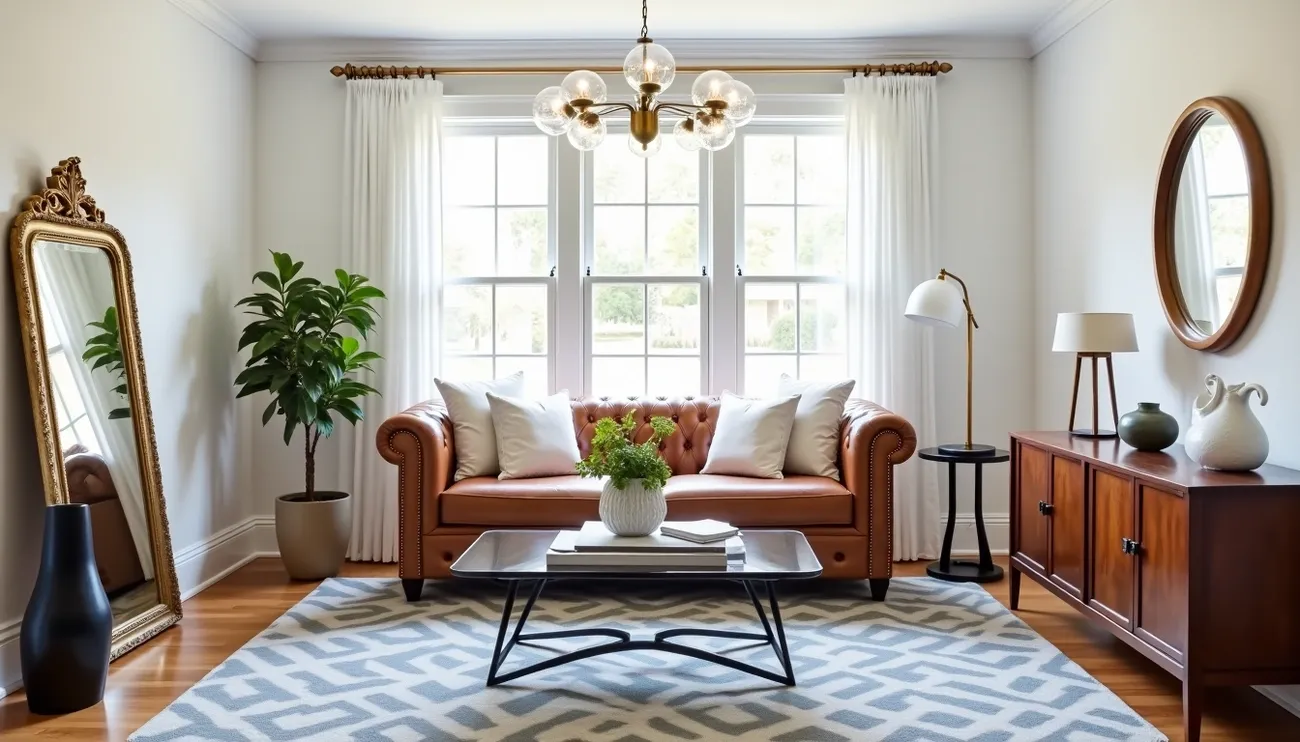
Discovering how to decorate with antiques in a modern style creates a home that tells your unique story through contrasting design eras. Despite common misconceptions, antiques aren’t destined solely for traditional spaces—they actually shine when thoughtfully incorporated into contemporary settings. The juxtaposition of old and new creates visual interest, depth, and character that purely modern interiors often lack.
Furthermore, blending vintage treasures with sleek modern pieces allows you to create a home that feels curated rather than purchased from a catalog. This designer’s guide will walk you through the essential principles of mixing periods, showcase room-specific strategies, and help you determine which items are worth investing in as antiques. Whether you’re looking to incorporate family heirlooms or hunting for special vintage finds, you’ll discover how to strike the perfect balance between honoring the past and embracing contemporary design sensibilities.
Understanding Antiques and Modern Design
To successfully blend eras in your home, first understanding the distinct characteristics of both antiques and modern design is essential. Knowing what defines each style helps create that perfect balance where history meets contemporary living.
What qualifies as an antique?
The classic definition of an antique is any item that’s more than 100 years old [1][2][3]. From today’s perspective, this means pieces created before the 1920s [4]. Items that fall between 20-99 years old typically fall into the “vintage” category instead [1][4].
Beyond age alone, true antiques possess several defining characteristics. They should ideally have provenance—a traceable history that establishes authenticity [3]. Additionally, collectors value antiques in good condition, especially those without modern repairs that might detract from their original appearance [3][5].
The craftsmanship of antiques sets them apart from contemporary pieces. Most were handcrafted by skilled artisans using traditional methods, not mass-produced [3]. This quality of workmanship often means antique furniture features details like dovetail joints and original hardware with threaded posts and nuts instead of modern screws [2].
How modern design is defined today
Modern design presents an interesting paradox—while literally meaning “of the present,” it has recognizable characteristics that have evolved over decades. In interior design circles, “modern” can refer to mid-century modern from the 20th century or to contemporary pieces less than 20 years old [1].
At its core, modern design features clean lines, simple forms, and a minimalist approach [6]. It prioritizes functionality while avoiding unnecessary ornamentation, often utilizing neutral color palettes and natural materials to create sleek, uncluttered spaces [6]. Open-concept layouts and a sense of flow throughout the home are hallmarks of this style [6].
Interestingly, modern design first emerged in the late 19th century as designers sought alternatives to ornate Victorian esthetics [6]. It continued to evolve through various movements—from Arts and Crafts to Art Deco, Scandinavian influences, and eventually mid-century modern, which many still consider the epitome of modern design [6].
Why mixing styles is trending in 2025
The combination of antique treasures with modern pieces has become increasingly popular because it creates spaces that feel uniquely personal. In fact, many contemporary homes now start with a modern framework and then incorporate distinctive vintage finds and artwork [7].
Interior designers note that the blend of different qualities and periods is precisely what makes rooms interesting [1]. The intentional contrast between old and new creates visual tension that draws the eye and sparks conversation [8]. Nevertheless, balance remains key—adhering to the principle that “less is more” helps achieve harmony between vintage and modern elements [1].
The current approach favors finding standout pieces that work independently [1] rather than matching entire sets from a single period. Designers increasingly mix different periods, styles, materials, and origins within one space [1], pairing antique elements with sleek contemporary furniture to achieve a dynamic equilibrium [4].
Beyond esthetics, this mixing of eras offers practical benefits. It allows homeowners to incorporate cherished heirlooms or unique finds without committing to a museum-like atmosphere [5]. Moreover, incorporating well-crafted antiques can be an economical way to refresh your décor while adding character that mass-produced items simply cannot match [1].
Core Principles for Blending Old and New
Mastering the blend of old and new requires understanding several fundamental principles that guide successful integration. Learning how to decorate with antiques in a modern style isn’t about following rigid rules—it’s about creating deliberate relationships between pieces from different eras.
Start with a dominant style
Deciding which style will lead your design creates clarity and direction. If you’re concerned about mixing styles appearing confused, choose one style to dominate the space. You might create a traditionally decorated room with modern accents or vice versa, helping to blend pieces more seamlessly.
Consider what your room naturally suggests. Spaces with period features often work best with traditional styling as the dominant force. Conversely, rooms with clean lines and contemporary architecture generally favor modern design as the leading element with thoughtful, traditional pieces providing contrast.
The 80/20 principle offers a helpful guideline—using approximately 80% modern pieces and 20% vintage items often creates a balanced, cohesive look. This approach ensures your space maintains a clear design direction without feeling like a museum or showroom.
Balance scale and proportion
Scale harmony is crucial when combining antiques with contemporary pieces. A dainty antique side table placed next to a bulky, modern sofa could appear awkward and disconnected. Instead, match the sizes of each piece to create visual balance. If you have a large, traditional dining table, look for contemporary chairs with similar proportions that won’t be overwhelmed by the larger piece.
Room scale likewise demands attention. A large antique armoire might overwhelm a small room but could perfectly anchor a spacious area. Always assess how pieces work together within your specific space constraints to avoid creating cramped or imbalanced environments.
Use repetition to create harmony
Creating cohesion through repetition serves as a subtle connective thread linking diverse pieces. This technique involves strategically repeating certain elements—shapes, materials, motifs, or colors—across your room to unify the design.
For instance, if you introduce an ornate gilded mirror, its gold tones could be echoed in modern lamp bases or hardware elsewhere in the room. Similarly, carrying wood tones throughout different pieces (both modern and antique) establishes visual consistency.
Distribution matters, too. Avoid creating “style zones” where all modern items cluster in one area and antiques in another. Instead, aim for an even distribution, perhaps placing a piece of modern art above an antique side table or a contemporary industrial lamp beside a vintage armchair.
Mix materials and textures
Combining diverse materials creates a tactile and visual richness that elevates your design. The contrast between sleek metal, warm wood, plush textiles, and reflective surfaces adds dimension and interest to your space.
Although seemingly counterintuitive, finding common ground between disparate pieces helps them work together. A traditional Persian rug might complement a modern sofa if they share a color or design element. Similarly, reupholstering an antique chair in contemporary fabric can bridge centuries of design while preserving craftsmanship.
The quality of materials should remain consistent throughout. Whether from the 18th century or made yesterday, the craftsmanship and quality must harmonize. This consistency in excellence creates unity despite stylistic differences and ensures your space feels curated rather than haphazard.
Room-by-Room Decorating Tips
Each room in your home presents unique opportunities for combining antique treasures with modern elements. The key to successful integration lies in understanding which pieces create the most striking contrasts while maintaining harmony throughout your space.
Living room: modern lighting with antique seating
The living room serves as an ideal canvas for dramatic lighting paired with comfortable antique seating. Antique chandeliers, especially crystal ones, can transform your space by adding sparkle and drama—functioning like “elegant diamond earrings on a beautiful woman.” For maximum effect, always install dimmers on overhead lighting fixtures. When dimmed to a soft glow approximating candlelight, antique lighting creates the perfect ambiance without appearing harshly bright.
Don’t limit chandeliers to traditional spaces. A delicate Murano glass chandelier can beautifully soften an otherwise hard-edged, contemporary living room. Consider pairing a converted gas chandelier with lacy glass shades alongside sleek modern furnishings for a balanced esthetic.
Dining room: vintage chairs with a sleek table
In the dining area, mixing vintage and modern pieces creates delightful visual tension. One particularly effective combination pairs a sleek contemporary table with characterful vintage chairs. Alternatively, place a vintage dining table at the center while surrounding it with sleek, modern seating for an unexpected twist.
“Most people buy matching sets to create a complete and cohesive look, however pairing sleek, contemporary chairs with a vintage dining table creates a striking contrast that adds visual interest to the room.” Consider metal or upholstered chairs with clean lines to juxtapose the rich, textured wood of a vintage table.
Lighting plays a crucial role here too—a modern chandelier or pendant light above a vintage table adds an unexpected twist that prevents the room from feeling overly traditional or dated.
Bedroom: antique dressers with minimalist beds
The bedroom offers perfect opportunities for incorporating substantial antique pieces within a modern framework. An ornate antique dresser or wardrobe can serve as the centerpiece, adding both functionality and esthetic appeal. Look for pieces with intricate carvings, brass hardware, and antique finishes to bring character and charm to the room.
These statement pieces work best when balanced with minimalist beds and contemporary bedding. A low-profile modern bed frame allows your antique dresser to shine while maintaining visual harmony. For smaller spaces like guest rooms, choose one signature antique piece—like a vintage dresser—to ground the room without overwhelming it.
Home office: modern desk with vintage art
Creating a productive yet inspiring home office often involves balancing functionality with personality. A sleek, modern desk with clean lines provides the perfect foundation for efficiency, while vintage art and accessories add character and warmth.
Consider pairing a contemporary desk with a vintage chair upholstered in fresh fabric or displaying antique art on the walls. One designer’s approach features “a wall of abstract floral wallpaper for a memorable look” behind a modern desk setup.
For a truly striking office, mix midcentury modern furniture pieces with contemporary elements. A vintage modular wall unit or credenza can provide storage while complementing a modern desk. “Midcentury modern furniture will give your home office a polished feel” while allowing you to incorporate technology seamlessly.
Using Color and Texture to Unify Styles
Color and texture serve as the invisible threads that weave antique and modern pieces into a cohesive design story. When decorating with antiques in a modern style, these elements create visual connections that transcend time periods, allowing disparate items to feel intentionally curated rather than randomly assembled.
Create a cohesive color palette
A consistent color scheme acts as the foundation that allows furniture and accessories from different eras to coexist harmoniously. Primarily, limit your palette to just two or three base colors to create visual cohesion in spaces that might otherwise feel chaotic. This restraint proves especially crucial when combining pieces from different decades.
For most modern-vintage interiors, neutral bases work exceptionally well:
- Warm wood tones paired with white deliver classic mid-century appeal
- Gray and brown combinations create sophisticated depth
- Beige, black, or white serve as anchoring neutrals that never compete
For those seeking more vibrant approaches, dark shades like navy blue, emerald green, or maroon work beautifully as accent colors, adding richness without overwhelming the carefully curated mix. Above all, color cohesion matters more than style authenticity when blending vintage and modern pieces.
Layer textures for depth
Texture serves as the element that elevates modern-vintage spaces from merely interesting to genuinely extraordinary. The strategic combination of materials creates multi-dimensional environments that engage the senses while adding sophisticated depth.
Pairing contrasting surfaces creates visual tension that makes both vintage and modern pieces more compelling. A sleek glass coffee table positioned beside a distressed leather chair creates dynamic interplay that enhances both elements. Similarly, mix rough-hewn wooden side tables with polished metal lamps to achieve balance through purposeful contrast.
Textiles offer perfect opportunities to connect different periods seamlessly:
- Drape light cotton throws over vintage velvet couches for contemporary softness
- Add plush velvet pillows to distressed leather chairs for luxurious comfort
- Layer contemporary wool blankets over antique bedding for updated warmth
Match finishes across eras
To successfully integrate pieces from different time periods, consider how metal finishes and wood tones work together throughout your space. One approach is balancing warm metal tones (brass, bronze, copper) with cool ones (chrome, stainless steel) distributed evenly throughout your rooms.
Alternatively, choosing finishes from the same color family creates coherence—all hardware in warm gold tones or consistently cool silver finishes. This consistency helps the eye move smoothly from vintage to modern pieces without jarring transitions.
In essence, when all elements share a thoughtful color palette and complementary textures, the age differences between pieces become a strength rather than a disconnect.
What to Buy Antique vs. New
Making smart decisions about which pieces to buy antique versus modern creates the foundation for a successfully blended interior. Strategic selections ensure your space feels both timeless and comfortable.
Best antique pieces to invest in
Savvy collectors focus on items with inherent qualities that stabilize their value, making them less vulnerable to economic fluctuations [9]. Case goods with interesting wooden frames make excellent antique investments—consider statement pieces like chests, dressers, and side tables [10]. Primarily, look for craftsmanship indicators like dovetail joints and original hardware that suggest quality construction [11].
Items worth investing in include:
- Fine art, quality silver, and rare decorative objects with strong provenance [5]
- Mid-century modern pieces approaching antique status [5]
- One-of-a-kind accessories that create “soul” in your space [10]
When to choose modern for comfort
Undeniably, comfort dictates choosing modern for certain items. Fully upholstered furniture—sofas, armchairs, and beds—typically function better when purchased new [8]. This ensures proper support, clean materials, and contemporary comfort standards that vintage pieces rarely provide.
Tips for mixing new upholstery with old frames
Consequently, many designers recommend focusing on antique frames with modern upholstery. Fresh fabric can give vintage pieces modern appeal without sacrificing their charm [12]. Consider whether to emphasize or soften the frame’s character through fabric choice—stripes highlight curves while florals soften angular pieces [12]. Accordingly, refresh batting and springs during reupholstery to add modern comfort to older seating while maintaining their distinctive silhouettes.
Conclusion
Decorating with antiques in a modern home creates spaces that tell your personal story while honoring craftsmanship from different eras. The thoughtful combination of vintage treasures with contemporary elements results in rooms that feel curated rather than mass-produced. Additionally, this approach allows you to incorporate cherished heirlooms or special finds without committing to a purely traditional esthetic.
Remember that successful blending begins with deciding which style will dominate your space. This foundation, combined with careful attention to scale, proportion, and material harmony, ensures your home maintains visual coherence despite spanning different design periods. Equally important, a consistent color palette serves as the invisible thread connecting pieces across centuries.
The room-by-room approach works best when you consider each space’s function and focal points. An antique chandelier transforms a modern living room, while vintage chairs around a sleek dining table create delightful tension. Similarly, ornate dressers bring character to minimalist bedrooms, and contemporary desks pair beautifully with vintage art in home offices.
When deciding which pieces to buy antique versus new, quality craftsmanship should guide your investments. Case goods with interesting wooden frames typically make excellent antique purchases, while upholstered furniture often functions better when bought new for comfort reasons. Ultimately, the perfect balance comes from selecting pieces that speak to you personally while maintaining quality throughout.
Decorating with antiques in a modern home requires confidence and a willingness to break conventional rules. Trust your instincts about which pieces work together, regardless of their origin periods. This approach creates living spaces that feel both timeless and fresh—homes that honor the past while embracing contemporary sensibilities. After all, the most interesting interiors rarely emerge from single-period designs but rather from the thoughtful juxtaposition of elements that span decades or even centuries.
References
[1] – https://mobilia.ca/blog/en/combining-vintage-modern/?srsltid=AfmBOop4V-fLwWmpZQ1ZX-MKA4Ff0RtB0Or0srI1YXcsD1YD5sZmxeF7
[2] – https://www.homedayinteriors.com/blog/why-you-decorate-your-home-with-antique-and-vintage-items
[3] – https://decorativefair.com/what-exactly-is-an-antique/
[4] – https://www.housebeautiful.com/design-inspiration/a62628450/antiques-vs-vintage-definition/
[5] – https://www.mozerisfineantiques.com/blogs/guide-to-antiques-investing?srsltid=AfmBOoo8TlJO8PbVEsDrbCgSc4n-jDugZNjzGzbDdQ7qvkGnfevR3cNz
[6] – https://www.apartmenttherapy.com/what-is-modern-interior-design-37503446
[7] – https://www.architecturaldigest.com/story/contemporary-interior-design-101
[8] – https://annieelliottdesign.com/vintage-what-to-look-for-what-to-avoid/
[9] – https://houghtonmackay.com/eclectic/antiques-as-an-asset-the-rise-of-the-vintage-investment/emilyallen/
[10] – https://www.forbes.com/sites/deringhall/2018/05/08/6-designers-share-the-best-investment-pieces-for-a-home/
[11] – https://www.skinnerinc.com/news/blog/guide-to-buying-furniture-antique-modern-furniture-joinery/
[12] – https://www.thespruce.com/mixing-antique-accessories-into-modern-decor-1976754