
Why Best Vancouver Thrift Stores Are Hidden Gems for Smart Shoppers
November 17, 2025
Why Best Vancouver Thrift Stores Are Hidden Gems for Smart Shoppers
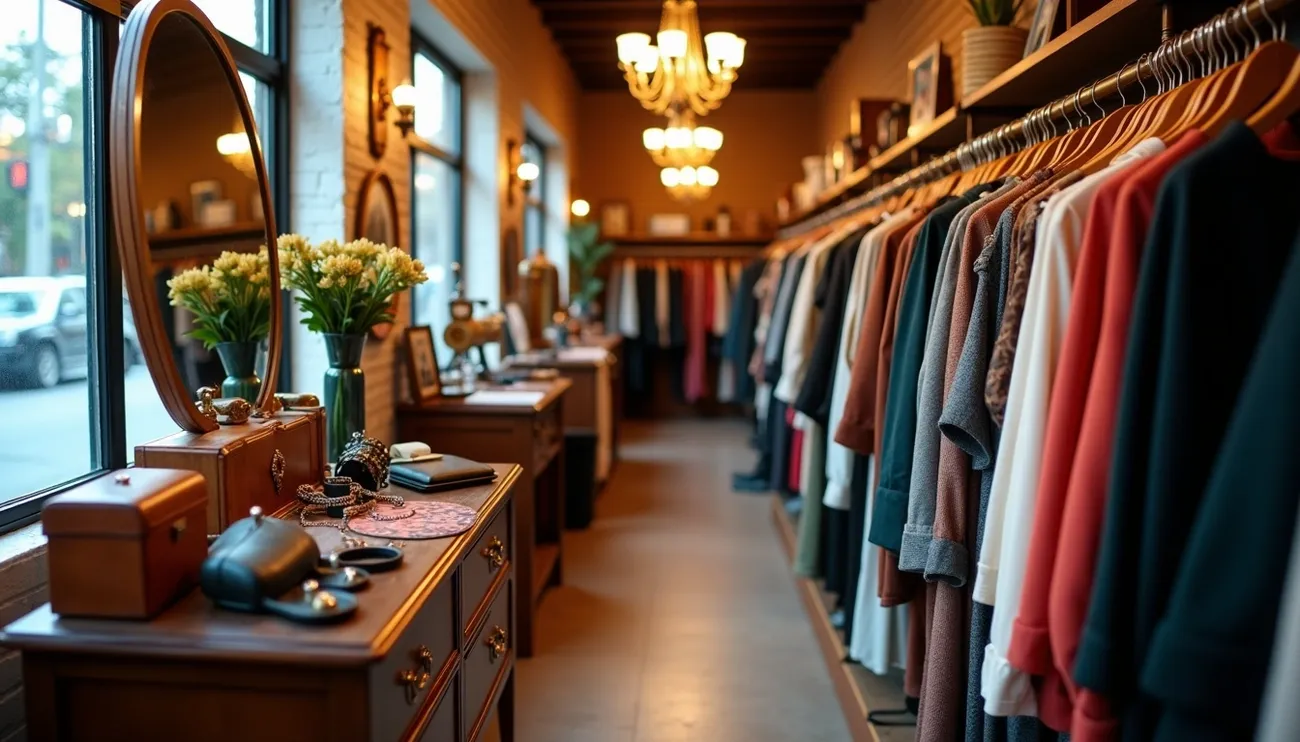
The best Vancouver thrift stores offer treasures that savvy shoppers can’t find anywhere else. Unlike traditional retail establishments, these secondhand havens provide a unique combination of vintage finds, designer labels, and one-of-a-kind items at a fraction of original prices. Beyond just affordable shopping, Vancouver’s thrift scene has evolved into a vibrant community of environmentally conscious consumers and fashion enthusiasts. Additionally, these stores support local charities and sustainability initiatives, making each purchase meaningful. Whether you’re hunting for vintage clothing, rare vinyl records, or mid-century furniture, Vancouver’s thrift landscape delivers exceptional value for those willing to explore. This guide reveals why these unassuming shops have become essential destinations for budget-conscious shoppers and how you can navigate them like a pro.
Why Vancouver’s Thrift Scene Is Booming
Vancouver’s secondhand market has experienced remarkable growth in recent years. The city’s unique combination of environmental consciousness, fashion-forward residents, and economic pressures has created the perfect conditions for thrift stores to flourish. Let’s examine why these vintage and secondhand shops have become such vital parts of Vancouver’s retail landscape.
Local growth vs national trends
Vancouver stands out as a hotspot for thrift shopping even when compared to other major Canadian cities. While secondhand shopping has grown nationwide, Vancouver’s thrift scene has expanded at nearly twice the rate of other metropolitan areas. This exceptional growth stems from several factors unique to the city’s culture and demographics.
First, Vancouver’s commitment to sustainability runs deep. The city consistently ranks among Canada’s most environmentally conscious urban centers, with residents actively seeking ways to reduce their carbon footprint. Consequently, shopping secondhand has become a badge of honor rather than a necessity.
Furthermore, Vancouver’s high cost of living has pushed many residents toward more affordable shopping alternatives. As housing costs continue to climb, discretionary spending on new clothing and home goods has decreased, making thrift stores an attractive option for quality-conscious shoppers on a budget.
Another contributing factor is Vancouver’s diverse, young population that values authenticity and individuality. For many residents, the best Vancouver thrift stores offer a way to express personal style without conforming to mainstream fashion cycles.
The rise of curated secondhand shopping
Gone are the days when thrift stores were perceived as disorganized warehouses of castoffs. Today’s Vancouver thrift scene features carefully curated shops that rival boutique experiences.
Many stores now employ professional merchandisers who organize inventory by color, style, era, or designer. This transformation has attracted a new demographic of shoppers who might have previously avoided thrift stores due to the overwhelming “treasure hunt” experience.
Social media has played a significant role in this evolution. Instagram accounts featuring thrift store finds have created communities of enthusiasts who share tips and showcase their discoveries. Stores themselves have embraced digital marketing, often highlighting special items to drive foot traffic.
Moreover, several Vancouver thrift retailers have adopted hybrid models that blend traditional secondhand inventory with locally made artisanal products. This approach creates unique shopping destinations that offer both sustainability and support for local creators.
Why foot traffic is increasing
Despite the growth of online shopping in nearly every retail category, Vancouver’s physical thrift stores continue to see impressive foot traffic increases. This trend runs counter to broader retail patterns and speaks to the unique appeal of in-person thrift shopping.
The tactile nature of secondhand shopping remains its primary advantage. Shoppers value the ability to examine fabric quality, check for imperfections, and try on vintage pieces that often have unique sizing. Since inventory is constantly changing, regular in-store visits offer the thrill of discovery that online platforms struggle to replicate.
Additionally, many Vancouver thrift stores have become community hubs that host events, workshops, and social gatherings. These activities transform simple shopping trips into meaningful experiences that build customer loyalty.
The economic incentive cannot be overlooked either. As inflation affects household budgets, the substantial savings offered by thrift shopping become increasingly attractive. Many shoppers report finding high-quality items at 70-90% off original retail prices, making secondhand shopping a financially savvy choice.
In essence, Vancouver’s thrift scene is booming because it addresses multiple consumer desires simultaneously: sustainability, affordability, uniqueness, and community connection—a combination that traditional retail often struggles to provide.
What Makes These Stores Hidden Gems
Beyond their growing popularity, Vancouver’s thrift shops distinguish themselves through exceptional qualities that savvy shoppers have come to treasure. These unassuming storefronts conceal remarkable finds that mainstream retailers simply cannot match.
Unique inventory you won’t find elsewhere
Venture into Vancouver’s thrift landscape and you’ll discover truly one-of-a-kind treasures. At Mintage Mall, individually curated rooms showcase different sellers with carefully hand-selected items that ensure both quality and authenticity [1]. This approach creates a shopping experience akin to exploring multiple boutiques under one roof.
For film buffs and fashion enthusiasts, stores like Burcu’s Angels offer extraordinary connections to Vancouver’s entertainment industry. Burcu often works with Vancouver’s film industry to source period costumes, yet also takes stock directly from movie wardrobes [2]. This means shoppers might stumble upon items straight from a film set—a possibility exclusive to thrift shopping.
The diversity of merchandise extends beyond clothing:
- The Wildlife Thrift Store houses everything from vintage books and records to sporting goods, second-hand paintings, and quirky decor [3][4]
- The Salvation Army in Kitsilano features an exceptional selection of glassware and kitchenware, along with discounted digital appliances like cameras and camcorders [5]
- The HOB maintains a collection of vintage items perfect for home projects and crafters [3]
Higher quality at lower prices
Perhaps the most compelling aspect of Vancouver’s best thrift stores is their ability to offer premium merchandise at fractional prices. At Wildlife Thrift Store, shoppers routinely find designer brands like Ralph Lauren for just CAD 27.87—a mere shadow of retail prices [5]. Similarly, Value Village Boutique on Granville presents more adventurous and “night out” selections that would typically command steep price tags elsewhere [6].
Even specialized vintage collections remain accessible. The Rag Machine, located at the back of F as in Frank, offers brilliant skirts, sweaters, jeans, and overalls at nominal rates [5]. This stands in stark contrast to the typically inflated prices of vintage fashion.
Particularly notable is how thrift stores like The HOB maintain affordability as a core principle. Even as the city’s cost of living rises, these shops deliberately keep their prices reasonable [2]. This commitment enables Vancouverites to maintain stylish wardrobes and homes without financial strain.
Community-driven shopping experience
What truly sets Vancouver’s thrift scene apart is its deep community connections. Many stores operate as social enterprises with missions extending far beyond retail. Community Thrift & Vintage, for instance, supports at-risk individuals through compassionate work training programs while donating all profits to the PHS Community Services Society [7][8].
Indeed, shopping at these establishments directly benefits vital local causes:
My Sister’s Closet directs all proceeds toward Battered Women’s Support Services, aiding women experiencing gender-based domestic and sexual violence [2][9]. Likewise, The HOB Thrift Boutique supports free bereavement and counseling services at Vancouver Hospice Society [2].
Even Wildlife Thrift Store, which began operations in 1997, has evolved its mission to support organizations addressing mental health challenges, addiction, and homelessness [2][4].
Naturally, this community focus fosters connection among shoppers too. Many stores host events and create spaces where like-minded individuals can share their passion for sustainable fashion and unique finds. This transforms simple shopping trips into meaningful experiences that build lasting relationships—something rarely found in conventional retail environments.
Smart Shopping Strategies for Thrift Lovers
Successful thrift shopping requires strategy, patience, and a trained eye. In Vancouver’s vibrant secondhand scene, knowing what to look for and when to shop can transform an ordinary shopping trip into a rewarding treasure hunt. Here’s how to maximize your thrift store adventures in the city.
How to spot high-value items
Identifying quality pieces amidst the abundance of merchandise is an essential skill for thrift enthusiasts. First, focus on materials – luxury handbags, winter coats, and tall boots from high-end brands typically maintain their value and style year after year [10]. For clothing, examine natural fibers like wool, cotton, and silk by feeling the fabric between your fingers [11].
When evaluating furniture, weight often indicates quality. Try to lift or gently shake wooden pieces to assess their stability [12]. Look underneath for dovetail joints in drawers, which typically signal superior craftsmanship [12].
For kitchenware and decor, check for maker’s marks on the bottom of items [12]. These signatures or stamps can reveal valuable brands worth far more than their thrift store price tags. Vintage costume jewelry offers another opportunity—these pieces are frequently overlooked but can yield incredible statement accessories at bargain prices [10].
Before purchasing any item, conduct a thorough inspection:
- Turn garments inside out to check for double stitching (a sign of durability)
- Examine high-stress areas like elbows and underarms for wear
- Test electronics using the outlets provided in stores like Wildlife Thrift [5]
- Use your smartphone to research unfamiliar brands on the spot [11]
Best times to shop for deals
Timing significantly influences your thrift shopping success. According to experienced thrifters, early morning visits yield the best selection, especially during weekdays when stores are less crowded [10]. Savvy shoppers also discover when their favorite stores restock shelves and plan their visits accordingly [10].
Seasonal transitions present prime opportunities as many people donate during these periods [13]. Additionally, post-holiday times often bring waves of new merchandise as people clear out older items.
Pay attention to color-coded pricing systems, which many Vancouver thrift stores use to indicate how long items have been in stock. Items with certain colored tags may receive deeper discounts—sometimes up to 50% off [11]. As soon as you enter a store, ask which color tags are discounted that day.
Tips for negotiating or bundling
While some thrift stores have fixed prices, many Vancouver establishments welcome respectful negotiation. Wildlife Thrift Store, for instance, entertains offers due to their abundant inventory [14]. When proposing a different price, always approach with politeness—friendly conversations often lead to better deals [13].
Building relationships with store staff yields invaluable benefits. Employees at places like Rummage Community Thrift might alert regular customers when sought-after items arrive or occasionally hold special pieces [11]. Following thrift stores on social media platforms can also provide advance notice of sales—Still Fabulous Thrift Shop announces their 50% off color tag sales on Instagram [14].
For items with minor flaws, politely request additional discounts, as many shops accommodate such requests, particularly for easily repairable items [11]. Finally, carrying cash can sometimes leverage better prices, as it offers a quick, straightforward transaction [13].
Challenges Facing the Thrift Market
Despite their appeal, Vancouver’s thrift market faces several significant challenges that affect both shoppers and store operators.
Inventory shortages and donation gaps
Quality inventory has become increasingly difficult to secure throughout Vancouver’s secondhand market. Local thrift stores report a concerning 15% drop in donation quality since 2023, with premium items now bypassing traditional donation channels in favor of consignment or direct resale platforms [15]. Donation volumes fluctuate dramatically between seasons—January typically brings almost twice the donations compared to summer months, creating unpredictable inventory cycles [15].
Even more troubling, Vancouver’s expensive real estate market threatens the very existence of beloved thrift institutions. The BASES Family Thrift Store in Burnaby faces closure after 12 years of operation as rent has skyrocketed from CAD 13.93 per square foot to an unmanageable CAD 55.73 [16]. In Surrey, SEVA Thrift Foundation has seen its rent nearly triple, eliminating all profits that would otherwise support community initiatives [16].
Competition from fast fashion
The persistent appeal of inexpensive new clothing presents another obstacle for thrift retailers. Fast fashion stores maintain their stronghold through competitive pricing—their new items typically cost just 10-15% more than quality secondhand pieces [15]. Meanwhile, discount retailers like Winners attract budget-conscious shoppers who prefer new items at prices comparable to pre-owned goods [15].
Yet beneath these pricing pressures lies a deeper environmental concern. Research shows fast fashion rarely enters the secondhand market at all—it’s typically so cheap and poorly made that most ends up in landfills rather than thrift stores [17]. This creates a troubling cycle:
- Fast fashion production emits as much greenhouse gas as France, Germany, and the UK combined [17]
- The textile dyeing industry ranks as the second worst polluter of clean water globally [17]
- These environmental costs remain largely hidden from consumers [17]
Fragmented shopping experience
Unlike traditional retail with its streamlined distribution networks, Vancouver’s resale market lacks organized channels connecting shoppers with desired items. Customers must navigate countless separate platforms and physical stores, each with unique inventory and policies [15]. High-quality items often remain unsold in one location while potential buyers search fruitlessly elsewhere [15].
Recognizing this inefficiency, several tech startups have begun developing local inventory tracking tools to bridge these gaps and create more seamless shopping experiences [15].
The Future of Thrift Shopping in Vancouver
Technology reshapes how Vancouverites discover and access secondhand treasures, promising an exciting future for the city’s thrift landscape.
Tech tools improving resale discovery
Artificial intelligence now powers personalized shopping experiences throughout Vancouver’s resale market. Retail analyst Bruce Winder notes that AI allows stores to “serve up very specific offers to consumers that are very relatable” based on digital footprints and preferences [18]. This technological evolution helps connect shoppers with items they’re likely to purchase, addressing the fragmentation that previously challenged the market.
Blending of retail and resale
Traditional retail and secondhand markets are increasingly merging into cohesive shopping experiences [15]. This integration appears in physical spaces too—brick-and-mortar thrift stores continue dominating the sector, with shoppers spending 6.8 times more at in-person thrift stores versus online options [19]. Currently, 83 cents of every dollar spent on pre-owned apparel goes to physical stores rather than digital platforms [19].
Predictions for 2026 and beyond
North Vancouver’s thrift sector grows faster than national averages, with experts forecasting resale could capture 14% of the fashion market by 2026—double today’s figures [15]. Value Village plans an ambitious expansion, targeting “approximately 25 or more new stores annually from 2025 through 2027” [19]. Globally, the secondhand market is projected to reach CAD 489.07 billion by 2027 [20].
Throughout this evolution, Vancouver’s best thrift stores will remain at the forefront, balancing technological advancement with the treasure-hunting experience that makes secondhand shopping truly special.
Conclusion
Vancouver’s thrift stores truly stand as hidden gems in the retail landscape. Throughout this exploration, we’ve seen how these secondhand havens deliver exceptional value through unique inventory, premium quality at affordable prices, and meaningful community connections.
The remarkable growth of Vancouver’s thrift scene stems from a perfect storm of factors. Residents’ environmental consciousness, coupled with economic pressures and the desire for authentic self-expression, has transformed thrift shopping from necessity to lifestyle choice. Additionally, the curated experiences now offered by many stores rival traditional boutiques while maintaining the thrill of discovery.
Smart shoppers who master the art of thrifting gain access to treasures others simply overlook. By learning to identify quality materials, understanding optimal shopping times, and building relationships with store staff, thrift enthusiasts maximize their chances of finding those one-of-a-kind pieces.
Despite challenges like inventory fluctuations, fast fashion competition, and fragmented shopping experiences, Vancouver’s thrift market continues to thrive. Technological innovations now bridge gaps between buyers and sellers, while the blending of traditional retail with resale creates exciting new shopping formats.
The future looks particularly bright for Vancouver’s secondhand scene. With projections suggesting resale could capture 14% of the fashion market by 2026, these stores will undoubtedly continue their evolution. Still, the core appeal remains unchanged—the joy of discovering unexpected treasures while supporting sustainability and local causes.
Vancouver’s best thrift stores offer far more than bargains. They provide a shopping experience that connects people with unique items, supports worthy community initiatives, and promotes environmental responsibility. For those willing to look beyond conventional retail, these unassuming shops reward patience and curiosity with finds that truly can’t be matched elsewhere.
References
[1] – https://www.the500hiddensecrets.com/canada/vancouver/shop/secondhand-shops
[2] – https://postcardsfromhawaii.co/home/best-second-hand-vintage-and-thrift-stores-in-vancouver
[3] – https://everydaytourist.ca/wandering-canada/7-days-of-thrifting-in-vancouver
[4] – https://www.vanmag.com/style/stores/7-thrift-stores-ideal-for-last-minute-gifting/
[5] – https://www.vancouverisawesome.com/lifestyle/best-thrift-stores-in-vancouver-low-budget-edition-5417056
[6] – https://learningcommons.ubc.ca/dare-to-thrift-best-spots-to-shop-in-metro-vancouver/
[7] – https://communitythriftandvintage.com/
[8] – https://gastown.org/listing/community-thrift-vintage/
[9] – https://www.destinationvancouver.com/inspirations/city/zero-waste-and-thrift-shopping-in-vancouver
[10] – https://bcliving.ca/shopping-style/fashion/top-brands-bargains-and-hidden-gems-8-thrifting-secrets-from-local-pros/
[11] – https://coastconsignment.com/2025/08/08/how-to-know-when-thrift-stores-restock-a-savvy-shoppers-guide/
[12] – https://www.housebeautiful.com/shopping/g64434325/thrifting-expert-tips-valuable-items/
[13] – https://www.movemate.ca/blog/the-best-deals-and-places-for-thrift-furniture-in-vancouver
[14] – https://wearethrifters.com/12-best-thrift-stores-in-vancouver-that-arent-value-village/
[15] – https://coastconsignment.com/2025/06/16/the-truth-about-north-vancouvers-resale-market-a-local-experts-2025-guide/
[16] – https://www.cbc.ca/news/canada/british-columbia/metro-vancouver-thrift-stores-1.7543513
[17] – https://vancouversun.com/news/young-adults-fast-fasion-kpu-study
[18] – https://vancouver.citynews.ca/2025/01/03/canada-retail-trends-2025-buy-used/
[19] – https://retail-insider.com/retail-insider/2024/09/thrifting-growing-into-a-mainstream-retail-choice-for-canadians-value-village-photos/
[20] – https://bcitnews.com/bcit-investigates-thrift-store-popularity-continues-to-rise-is-it-saving-money-the-planet-or-both/